
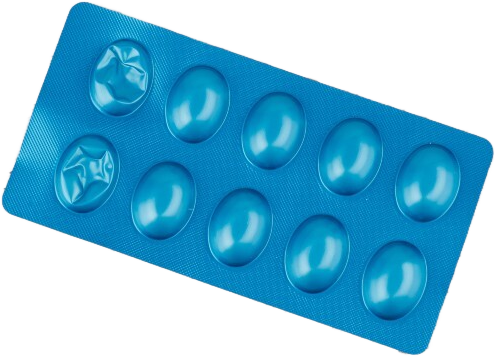
Rybelsus Tablets
You will answer clinical questions before treatment is considered. Submitting a consultation does not guarantee supply.
Wegovy Tablets are prescription weight management tablets containing semaglutide. They are used for weight loss and weight maintenance in adults where clinically appropriate, alongside a reduced-calorie meal plan and increased physical activity.
How to use
Main Ingredients
Side Effects & Cautions
Some people experience side effects while taking Rybelsus. Very common side effects can include nausea, diarrhoea and low blood sugar when used with insulin or a sulfonylurea.
Common side effects can include reduced appetite, dizziness, vomiting, stomach pain, bloating, constipation, indigestion, gastritis, reflux, heartburn, wind, tiredness, headache, altered skin sensation and increased pancreatic enzymes on blood tests.
Uncommon side effects can include allergic reactions such as rash, itching or hives, taste changes, fast pulse, burping, delayed stomach emptying, gallstones and weight loss.
Rybelsus can cause nausea, vomiting or diarrhoea, which may lead to dehydration. This is particularly important if you have kidney problems. Drink enough fluids and seek clinical advice if you cannot keep fluids down or feel dehydrated.
Stop taking Rybelsus and seek urgent medical advice if you develop severe, persistent stomach pain, with or without vomiting. This may be a sign of acute pancreatitis, which can be serious.
Seek urgent medical help if you develop signs of a serious allergic reaction, such as swelling of the face, lips, tongue or throat, breathing difficulty, wheezing, fast heartbeat, pale or cold skin, dizziness, weakness, fainting or collapse.
Contact a clinician urgently if you notice sudden loss of vision or rapidly worsening eyesight. Semaglutide has been linked with rare serious eye-related side effects, and people with diabetic eye disease should report any change in vision during treatment.
Rybelsus may increase the risk of low blood sugar if used with insulin or a sulfonylurea. Symptoms can include cold sweat, pale skin, headache, fast heartbeat, hunger, nausea, sleepiness, weakness, nervousness, anxiety, confusion, difficulty concentrating, shaking or vision changes.
Rybelsus is not suitable for everyone. It should not be used if you are allergic to semaglutide or any ingredient in the tablets.
Rybelsus should not be used for type 1 diabetes or diabetic ketoacidosis. Extra clinical review may be needed if you have pancreatitis history, severe gastrointestinal disease, delayed stomach emptying, diabetic eye disease, kidney problems, liver problems, dehydration risk, or if you are due to have surgery under anaesthesia.
Rybelsus should not be used during pregnancy. If you are planning pregnancy, treatment should usually be stopped at least 2 months before trying to conceive. Rybelsus should not be used while breastfeeding.
Tell your clinician about all medicines you take, including prescription medicines, over-the-counter medicines, supplements and herbal products. This is especially important if you take insulin, sulfonylureas, levothyroxine, warfarin or other oral anticoagulants.
Rybelsus is not recommended for children or adolescents under 18 years.
Read the official patient information leaflet before using any medicine. The leaflet provides important information on use, cautions, side effects and storage.
Open leaflet on eMC