
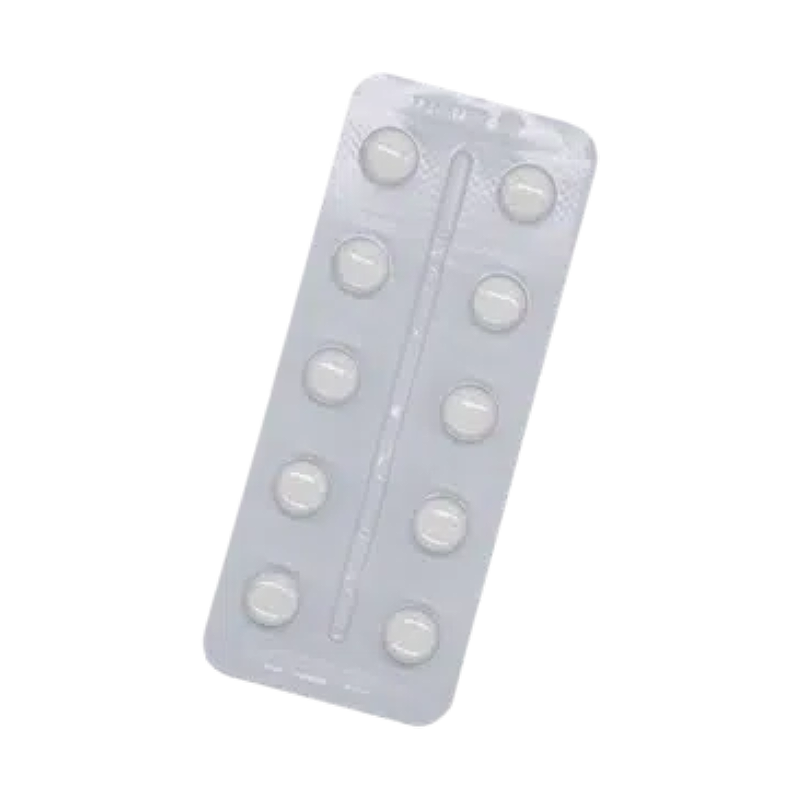
Norethisterone
You will answer clinical questions before treatment is considered. Submitting a consultation does not guarantee supply.
Norethisterone is a tablet that can ease symptoms of endometriosis or heavy periods. It can also be used to delay your period. If you have a holiday or special event coming up and your period is expected, taking Norethisterone can help you enjoy it without worry. Norethisterone is a generic medicine, which makes it more affordable than the branded version. It's slightly different from the usual contraceptive pill, as it's meant for short-term use.
How to use
The amount of Norethisterone you need will vary based on your reason for taking it and your symptoms. If you're using it to stop your periods, you'll typically take one 5mg tablet three times a day. For conditions like endometriosis or heavy and painful periods, you might begin with a lower dose, which can be increased if your symptoms persist.
Utovlan is a branded version of Norethisterone. Both contain the same active ingredient in the same dose, so they function in much the same way. Choosing between Norethisterone and Utovlan is really your decision. The key differences are that Norethisterone tends to be more affordable and may not always have the same appearance. There's also a 350mcg injection containing the same active ingredient as Norethisterone, known as Noriday, which is used for contraception. However, it won't be suitable if you're aiming to delay your period or manage bleeding.
Norethisterone is effective in managing heavy or painful bleeding and symptoms of endometriosis. For heavy periods, it has been shown to reduce bleeding by 87%. For those with endometriosis, taking Norethisterone for six months reduced the abnormal growth that leads to pain and bleeding by 37.2%. In a clinical trial involving women who wanted to postpone their periods, Norethisterone proved to be significantly more effective than the combined pill. Just 8% of women taking Norethisterone experienced a little spotting, whereas 43% of those on the combined pill did. Additionally, women using Norethisterone were more satisfied with their treatment and more likely to recommend it to others.
You'll need a prescription for Norethisterone. A clinician must ensure it's safe and suitable for you. If you discuss your health with one of our experts, they can guide you through the various options.
Norethisterone isn't right for everyone, and there are a few things you should know before taking it. Here's all the official information about it. If anything isn't clear, please let our clinician know, and they can discuss it with you.
Main Ingredients
Norethisterone is a tablet that can ease symptoms of endometriosis or heavy periods. It can also be used to delay your period. If you have a holiday or special event coming up and your period is expected, taking Norethisterone can help you enjoy it without worry. Norethisterone is a generic medicine, which makes it more affordable than the branded version. It's slightly different from the usual contraceptive pill, as it's meant for short-term use.
Side Effects & Cautions
Some people experience side effects while taking norethisterone. Possible side effects can include changes to bleeding pattern, spotting, breakthrough bleeding, breast tenderness, headache, feeling sick, stomach discomfort, bloating, mood changes, changes in sex drive, skin changes, acne, fluid retention, dizziness or tiredness.
A period-like bleed usually starts a few days after stopping norethisterone, although timing can vary. If bleeding is heavy, prolonged, unusual for you, or associated with severe pain, you should seek clinical advice.
Seek medical advice urgently if you develop symptoms that may suggest a blood clot, such as sudden chest pain, shortness of breath, coughing up blood, severe calf pain, swelling or redness in one leg, sudden weakness or numbness, sudden vision changes, severe headache, fainting or difficulty speaking.
You should also seek medical advice promptly if you develop yellowing of the skin or eyes, severe abdominal pain, a new breast lump, severe mood changes, signs of an allergic reaction, or symptoms that feel serious or unusual for you.
Norethisterone is not suitable for everyone. It should not be used if you are pregnant or think you may be pregnant, have unexplained vaginal bleeding, have active or previous blood clots, have severe liver disease, have or have had certain hormone-sensitive cancers, or are allergic to norethisterone or any ingredient in the tablets.
Extra clinical review may be needed if you have migraine, high blood pressure, diabetes, epilepsy, asthma, kidney problems, liver problems, heart disease, depression, obesity, smoking-related risk, a personal or family history of blood clots, or if you are taking medicines that may interact with hormonal treatment.
Norethisterone is not a contraceptive and does not protect against pregnancy or sexually transmitted infections. If pregnancy prevention is needed, you should use appropriate contraception such as condoms. If you have recently had unprotected sex or contraceptive failure, emergency contraception may need to be considered separately.
Norethisterone can interact with some medicines, including certain epilepsy medicines, tuberculosis medicines, HIV medicines, hepatitis C medicines, some antibiotics, antifungals and herbal products such as St John’s wort. Always list all prescription medicines, over-the-counter medicines, supplements and herbal products during your consultation.
Read the official patient information leaflet before using any medicine. The leaflet provides important information on use, cautions, side effects and storage.
Open leaflet on eMC