
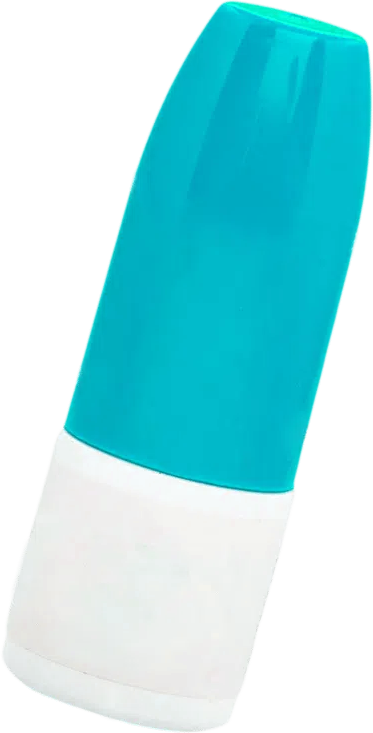
Nasonex
You will answer clinical questions before treatment is considered. Submitting a consultation does not guarantee supply.
Nasonex Nasal Spray contains mometasone furoate, a corticosteroid medicine used inside the nose to reduce inflammation linked with allergic rhinitis. Allergic rhinitis can be seasonal, such as hay fever caused by pollen, or year-round, such as allergies linked with house dust mites, pets, mould or other allergens.
How to use
Use Nasonex exactly as directed by your pharmacist, prescriber or the patient information leaflet supplied with your medicine.
Nasonex is used in the nose only. For adults and children over 12 years, the usual dose for hay fever or perennial rhinitis is two sprays into each nostril once daily, where suitable. Once symptoms are controlled, the dose may be reduced by a clinician. Do not use more than directed.
Shake the bottle gently before use. If using the spray for the first time, prime the bottle by pumping until a fine mist appears. If the spray has not been used for 14 days or more, it may need to be re-primed before use.
Before using the spray, gently blow your nose. Tilt your head slightly forward, keep the bottle upright and insert the nozzle into one nostril. Breathe in gently through your nose while pressing the pump once, then breathe out through your mouth. Repeat as directed for the other nostril.
After use, wipe the nozzle with a clean tissue and replace the cap. Clean the nozzle regularly. Do not try to unblock the applicator with a pin or sharp object, as this can damage the spray mechanism.
Use Nasonex regularly for best effect. Do not use higher doses or use it for longer than advised, as this may increase the risk of side effects.
If symptoms do not improve, worsen, or you need treatment for longer than expected, seek further clinical advice.
Main Ingredients
Nasonex Nasal Spray contains mometasone furoate as the active ingredient.
Each spray contains 50 micrograms of mometasone furoate.
Other ingredients include dispersible cellulose, glycerol, sodium citrate, citric acid monohydrate, polysorbate 80, benzalkonium chloride and purified water.
Nasonex contains benzalkonium chloride. This may cause irritation or swelling inside the nose, especially if used for a long time.
Side Effects & Cautions
Some people experience side effects while using Nasonex. Common side effects can include headache, sneezing, nosebleeds, sore nose, sore throat, ulcers inside the nose and respiratory tract infection.
Seek urgent medical help if you develop signs of a serious allergic reaction, such as swelling of the face, tongue or throat, difficulty swallowing, hives, wheezing or breathing difficulty.
Contact a clinician if you experience blurred vision, visual changes, frequent or heavy nosebleeds, persistent nasal irritation, sores inside the nose, worsening symptoms or symptoms that feel unusual for you.
Nasonex is not suitable for everyone. Do not use it if you are allergic to mometasone furoate or any ingredient in the spray.
Extra clinical review may be needed if you have an untreated infection in the nose, recent nasal surgery, nasal injury, tuberculosis, another infection, cystic fibrosis, reduced immune function, glaucoma, cataracts, long-term steroid use, pregnancy or breastfeeding considerations.
Tell your clinician about all medicines you take, including prescription medicines, over-the-counter medicines, supplements and herbal products. This is especially important if you use other corticosteroids or medicines such as ritonavir or cobicistat, which may increase the effects of Nasonex.
Children using steroid nasal sprays for long periods may need growth monitoring. Online supply for children depends on service scope, age, symptoms and clinical assessment.
Read the official patient information leaflet before using any medicine. The leaflet provides important information on use, cautions, side effects and storage.
Open leaflet on eMC