
Lymecycline
You will answer clinical questions before treatment is considered. Submitting a consultation does not guarantee supply.
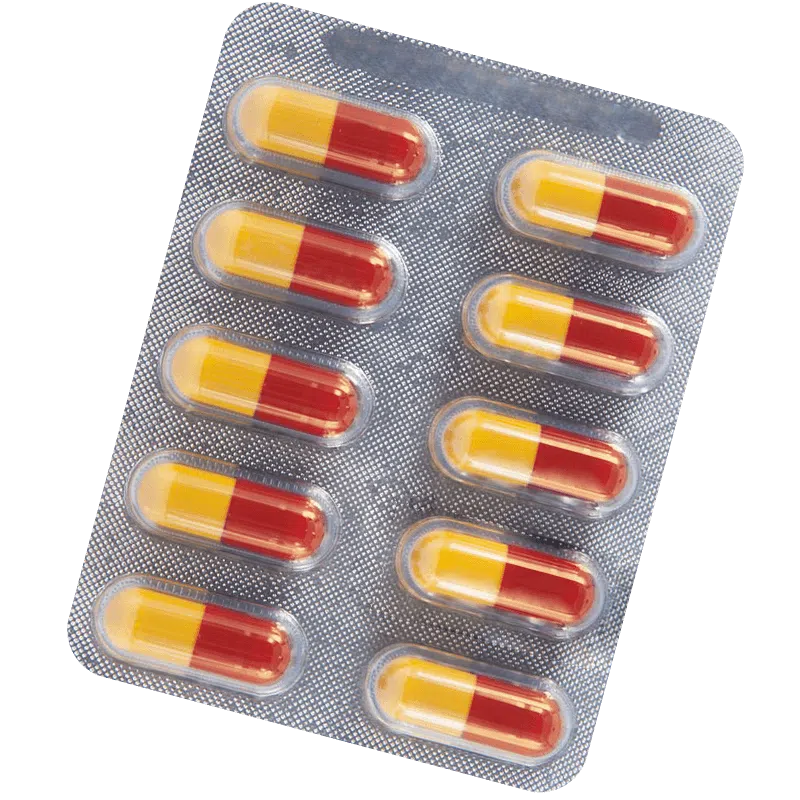
Lymecycline 408mg Capsules are prescription antibiotic capsules used for acne where clinically appropriate. Lymecycline belongs to a group of antibiotics called tetracyclines.
Lymecycline may be considered for moderate to severe acne, especially where spots are inflamed, widespread, painful or not controlled with suitable topical treatment alone. It is usually used as part of a wider acne treatment plan and should not normally be used as the only acne treatment.
Acne can involve blocked pores, inflammation, excess oil production and bacteria on the skin. Lymecycline helps reduce acne-related bacteria and inflammation, but improvement is usually gradual. Acne often takes several weeks to respond to oral antibiotics.
How to use
Take Lymecycline exactly as directed by your pharmacist, prescriber or the patient information leaflet supplied with your medicine.
For acne, the usual dose is one Lymecycline 408mg capsule once daily, where suitable. It is commonly taken in the morning.
Swallow the capsule whole with plenty of water. It can usually be taken with or without food, but taking it with food may help reduce stomach upset.
Do not lie down immediately after taking lymecycline. Taking it with enough water helps reduce the risk of throat or oesophageal irritation.
Take the medicine for the full course advised by your clinician. Acne responds slowly to antibiotics, and treatment may need to continue for several weeks before clear improvement is seen.
Do not take extra capsules to speed up results. Taking more than directed can increase the risk of side effects and will not make acne improve faster.
If you forget a dose, take it when you remember unless it is nearly time for your next dose. Do not take a double dose to make up for a missed capsule.
Avoid taking lymecycline at the same time as indigestion remedies, iron, zinc, calcium supplements or other mineral supplements, as these can reduce absorption. Leave a suitable gap as advised by your pharmacist or patient leaflet.
If acne does not improve, worsens, or you develop severe irritation, scarring, painful cysts, low mood linked to acne, or side effects from treatment, seek clinical review.
Main Ingredients
Lymecycline 408mg Capsules contain lymecycline as the active ingredient.
Each capsule contains lymecycline 408mg, equivalent to 300mg tetracycline base.
Other ingredients vary depending on the manufacturer. They may include magnesium stearate, colloidal hydrated silica, gelatin, titanium dioxide, erythrosine, quinoline yellow, indigo carmine or other capsule colouring ingredients.
Always read the patient information leaflet supplied with your specific medicine, especially if you have allergies or have reacted to antibiotics, colourings or capsule ingredients before.
Side Effects & Cautions
Some people experience side effects while taking lymecycline. Common side effects can include feeling sick, stomach pain, diarrhoea and headache.
Other possible side effects can include vomiting, indigestion, loss of appetite, dizziness, visual disturbances, rash, itching, sensitivity to sunlight, fungal infections such as thrush, and changes in liver test results.
Lymecycline can make your skin more sensitive to sunlight. Avoid excessive sun exposure and sunbeds while taking it. Use suitable sun protection, especially if your skin burns easily.
Stop taking lymecycline and seek urgent medical advice if you develop signs of a serious allergic reaction, such as swelling of the face, lips, tongue or throat, breathing difficulty, severe rash, fainting or collapse.
Seek urgent medical advice if you develop severe headache with vision changes, persistent vomiting, severe diarrhoea, blood in stools, yellowing of the skin or eyes, dark urine, severe skin reaction, chest pain, difficulty swallowing or severe abdominal pain.
Lymecycline is not suitable for everyone. Do not take it if you are allergic to lymecycline, tetracycline antibiotics or any ingredient in the capsule.
Lymecycline should not usually be used during pregnancy or breastfeeding. It is also not suitable for children under 12 years, as tetracyclines can affect developing teeth and bones.
Do not take lymecycline with oral retinoids such as isotretinoin unless specifically directed by a specialist, as this combination may increase the risk of raised pressure around the brain.
Extra clinical review may be needed if you have kidney disease, liver disease, myasthenia gravis, lupus, previous severe antibiotic reactions, recurrent thrush, inflammatory bowel disease, or if you are taking regular medicines.
Tell your clinician about all medicines you take, including prescription medicines, over-the-counter medicines, supplements and herbal products. This includes acne medicines, isotretinoin, anticoagulants, diuretics, epilepsy medicines, antacids, iron, zinc, calcium and other mineral supplements.
Oral antibiotics for acne should be reviewed regularly. Long-term or repeated antibiotic use may increase the risk of resistance and side effects, so treatment should continue only where clinically appropriate.
Suitability depends on acne severity, previous treatments, age, medical history, current medicines, pregnancy or breastfeeding status, allergy history and clinical assessment. Prescription medicine is supplied only where clinically appropriate.
Read the official patient information leaflet before using any medicine. The leaflet provides important information on use, cautions, side effects and storage.
Open leaflet on eMC